Skin Camouflage & Medical Tattooing
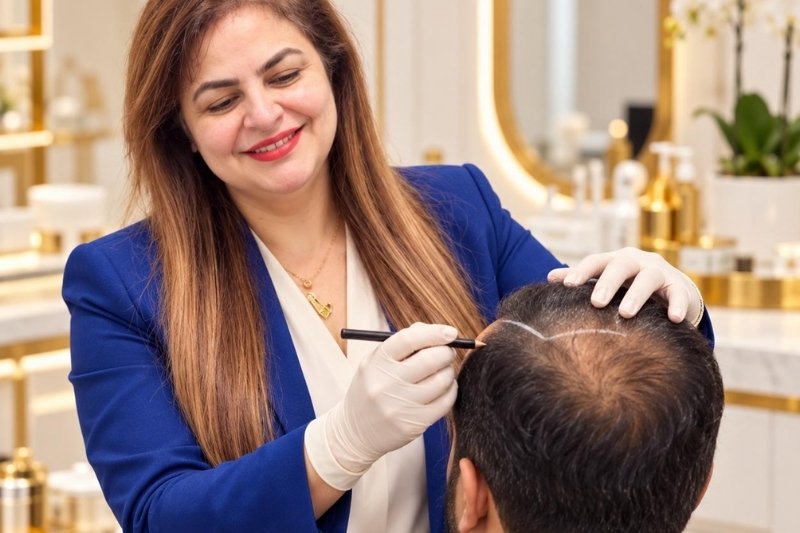
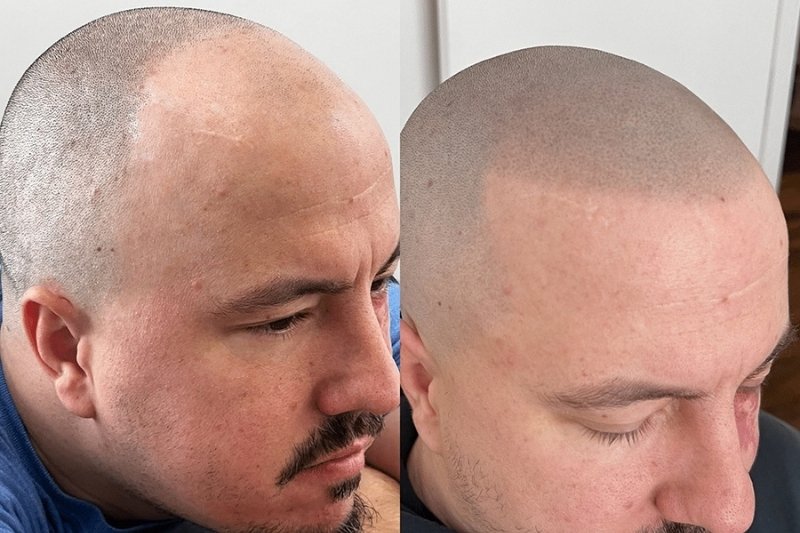
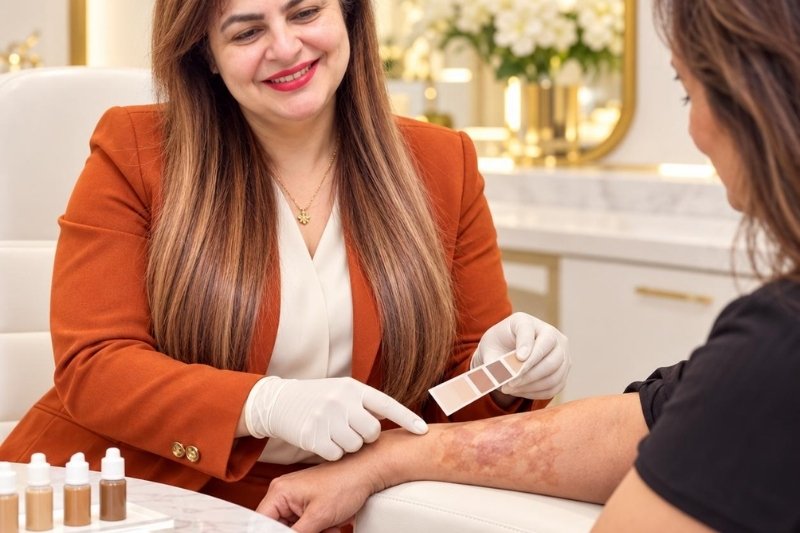
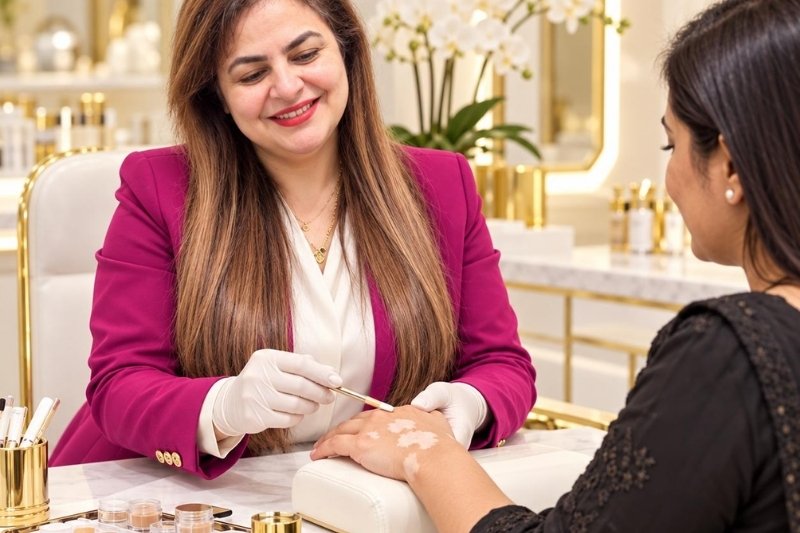
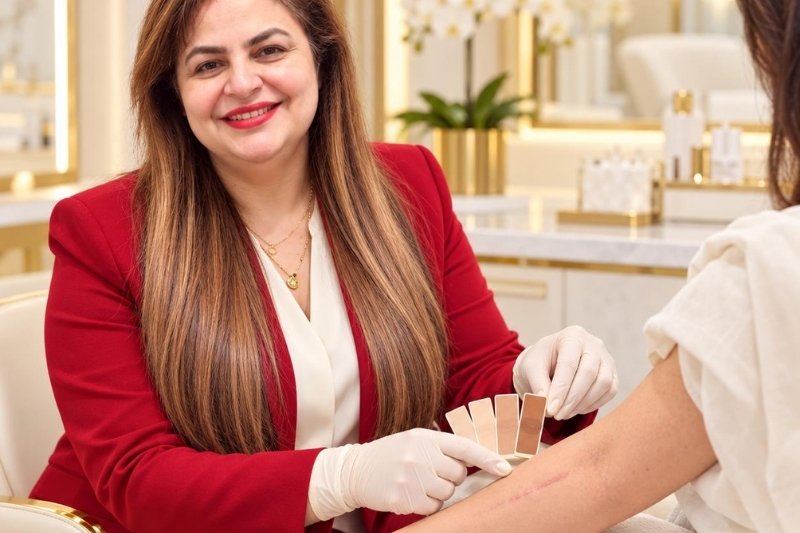
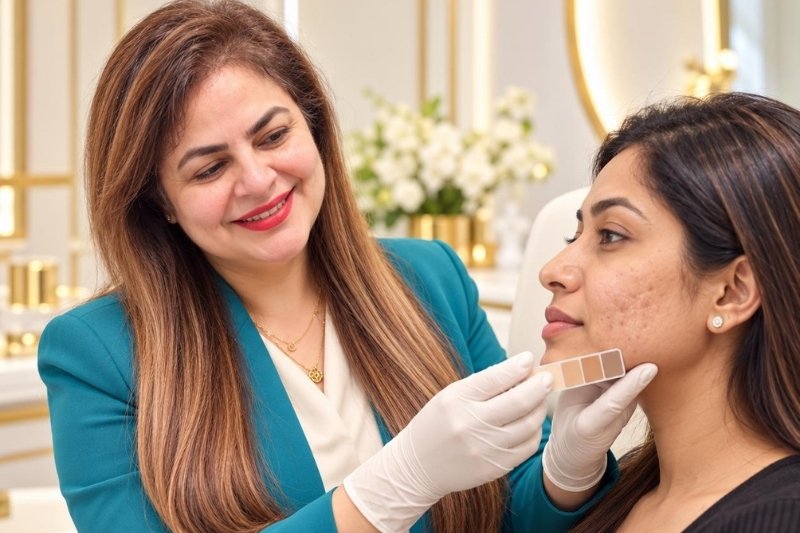
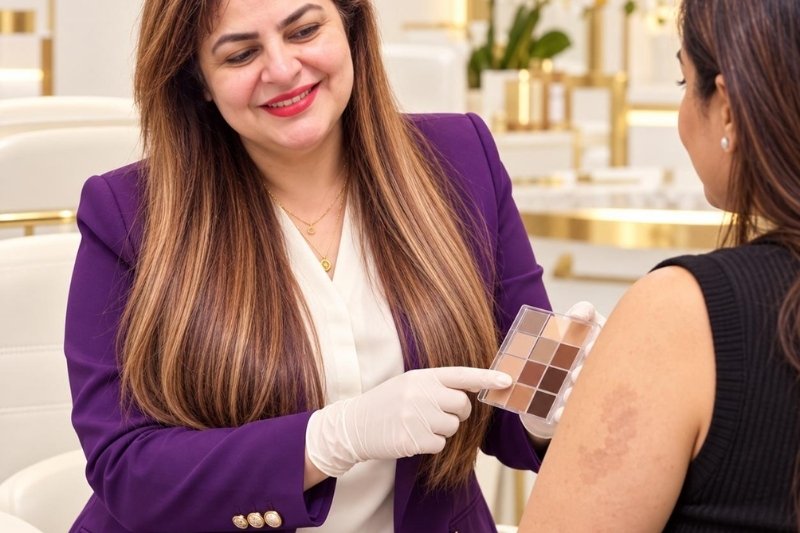
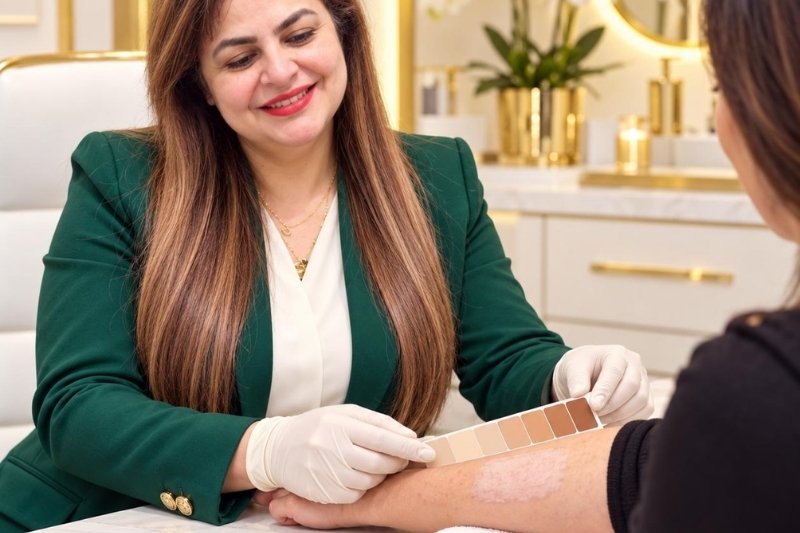
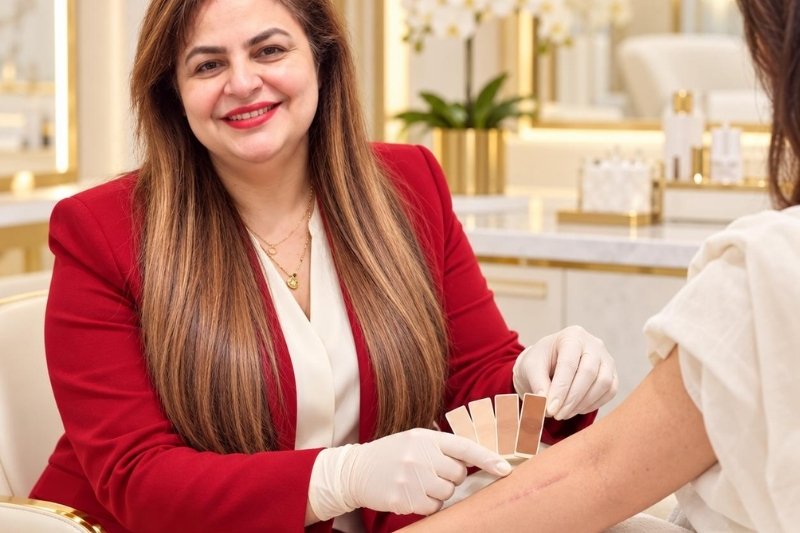
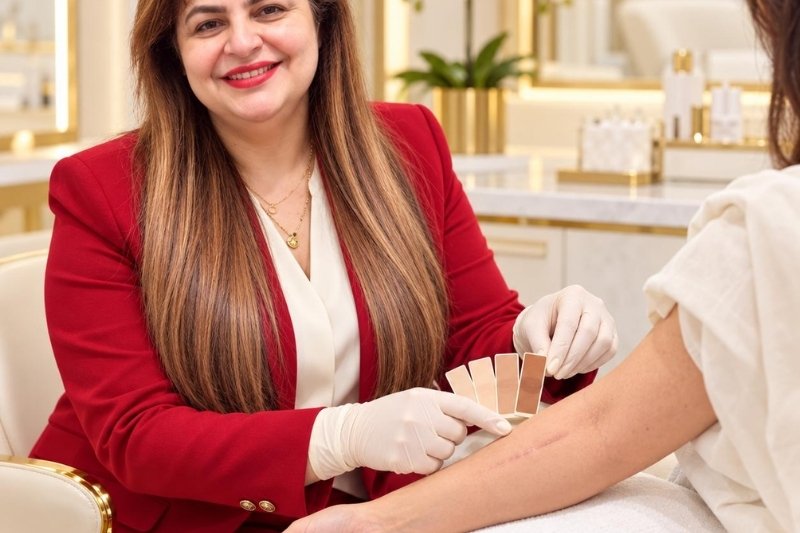
Paramedical micropigmentation, also known as medical tattooing, uses carefully selected pigments to improve the appearance of colour differences caused by hair loss, surgery, injury, burns or certain skin conditions. Every treatment begins with a detailed consultation, colour-matching assessment and review of the patient’s medical and healing history.
Camouflage improves the visual appearance of an affected area. It does not remove a scar, change its texture or treat the underlying medical condition. Suitability is confirmed at consultation and medical clearance may be required.
Healing & Aftercare
The Healing Process
- Immediately after treatment the area may appear darker, with mild redness, tenderness or swelling.
- Over the following days, light dryness, flaking or superficial crusting may occur as the pigment softens.
- The final colour is usually assessed after approximately four to six weeks.
- More than one session may be required to build an even, natural-looking result.
Aftercare Guidance
- Keep the treated area clean and follow the practitioner’s instructions on washing and approved aftercare products.
- Do not scratch, rub, peel or pick any flaking skin.
- Avoid swimming, steam rooms, saunas, heavy sweating and prolonged water exposure during initial healing.
- Protect the area from direct sunlight and apply sunscreen only after the skin has healed.
- Avoid makeup, active skincare, exfoliation, laser procedures and chemical treatments on the area until approved.
- Wear loose clothing when treating body scars, burns or stretch marks.
- Attend the scheduled healing review before arranging a touch-up.
- Contact the clinic or seek medical advice if there is increasing pain, heat, spreading redness, pus, fever or another sign of infection.
Suitability & medical considerations: A preferable candidate is an adult with healthy, fully healed and medically stable skin, realistic expectations and no active infection or inflammation. A history of keloid scarring, uncontrolled diabetes, bleeding disorders, pigment allergies, immune suppression, active skin disease or ongoing cancer treatment may require medical clearance or may make treatment unsuitable. Treatment is normally postponed during pregnancy and breastfeeding. A detailed consultation, medical-history assessment, skin examination and pigment patch test may be required. Individual results vary.
Start With a Consultation
Every paramedical treatment begins with a detailed consultation and colour-matching assessment at our Cuffe Parade studio. Book a visit and we’ll talk through your concern, suitability and what to expect.